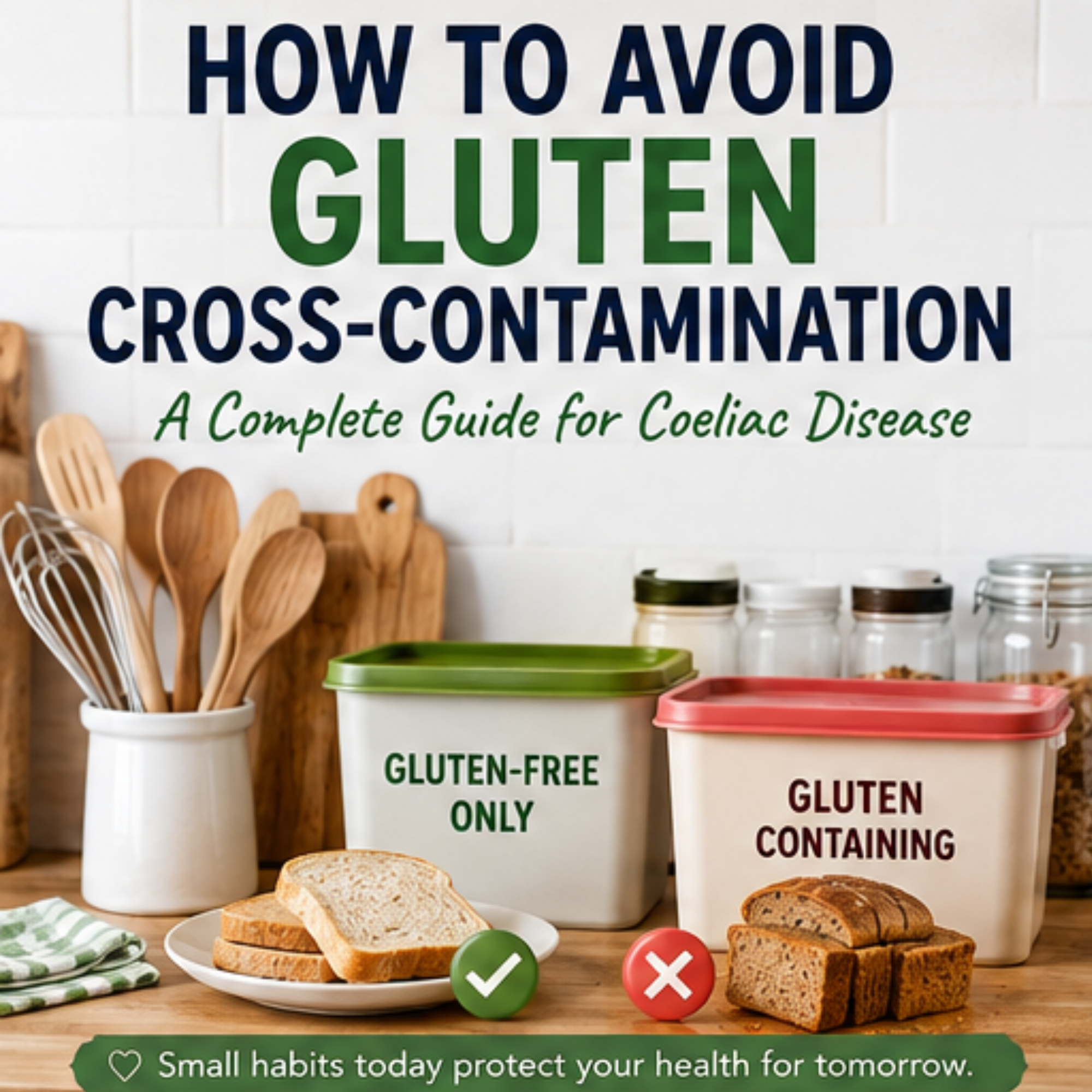
How to Avoid Cross-Contamination with Coeliac Disease: The Complete Guide
For someone with coeliac disease, eating gluten isn’t always as obvious as taking a bite of bread or eating a bowl of pasta.
Sometimes, all it takes is a few breadcrumbs on a chopping board, butter contaminated with crumbs from regular toast, or chips cooked in the same fryer as battered fish.
This is known as cross-contamination, and it’s one of the most common reasons people with coeliac disease continue to experience symptoms even after switching to a gluten-free diet.
The frustrating part is that cross-contamination is often invisible. Food can look perfectly safe while still containing enough gluten to trigger an immune response.
The good news is that preventing cross-contamination doesn’t require a completely separate kitchen or expensive equipment. In most cases, a few simple habits and some careful planning are enough to dramatically reduce the risk.
Whether you’ve recently been diagnosed or you’re helping a family member live safely with coeliac disease, this guide will teach you everything you need to know about preventing cross-contamination at home, at work, while travelling, and when eating out.
Table of Contents
- What Is Cross-Contamination?
- Why Tiny Amounts of Gluten Matter
- Common Sources of Cross-Contamination
- Creating a Gluten-Free Kitchen
- Cooking Safely
- Eating Out
- Travelling
- Frequently Asked Questions
- Printable Kitchen Checklist
What Is Cross-Contamination?
Cross-contamination happens when gluten from one food or surface is accidentally transferred to a food that would otherwise be gluten free.
For example, imagine making two slices of toast—one regular and one gluten free. If both slices go into the same toaster, crumbs from the regular bread can stick to the gluten-free bread. Although the bread itself is gluten free, it has now been contaminated.
The same thing can happen with shared knives, chopping boards, cooking utensils, serving spoons, grills, and even hands that haven’t been washed after handling gluten-containing foods.
Unlike food spoilage, you usually can’t see, smell, or taste gluten contamination. That’s why understanding how it happens is so important.
Why Even Tiny Amounts of Gluten Matter
People often ask:
“Can just one crumb really make a difference?”
For someone with coeliac disease, the answer can be yes.
When gluten is eaten, the immune system attacks the lining of the small intestine. This can happen even if you don’t notice immediate symptoms.
Some people develop stomach pain, diarrhoea, bloating, or fatigue after eating gluten. Others feel completely normal but still experience damage inside their small intestine.
Because you can’t rely on symptoms alone, preventing cross-contamination should become part of your everyday routine.
The goal isn’t to create fear around food but to reduce unnecessary risks through practical habits.
The Most Common Sources of Cross-Contamination at Home

Many people are surprised to discover how easily gluten can spread around the kitchen.
Let’s look at the most common problem areas.
1. The Toaster
This is probably the number one cause of accidental gluten exposure.
Crumbs collect inside toasters over time and stick to the heating elements.
Even if you’re only toasting gluten-free bread, those crumbs can transfer onto your food.
Best Solution
✔ Keep a dedicated gluten-free toaster.
If that’s not possible, consider using toaster bags specifically designed to separate your bread from gluten-containing crumbs.
2. Butter, Margarine and Spreads
Imagine someone making regular toast before dipping the same knife into the butter.
Tiny bread crumbs remain behind.
The next person spreads that butter onto gluten-free bread—and accidentally eats gluten.
The same problem applies to:
- Peanut butter
- Jam
- Marmalade
- Chocolate spread
- Honey
- Cream cheese
Best Solution
Have separate containers for gluten-free use or encourage everyone to use a clean knife every time.
3. Chopping Boards
Wooden chopping boards, especially older ones with knife grooves, can trap tiny crumbs and flour particles.
Plastic boards can also develop scratches that hold food residue.
Best Solution
Keep one chopping board specifically for preparing gluten-free food.
Colour-coding chopping boards is an easy way to prevent mix-ups.
4. Knives and Utensils
A knife used to spread peanut butter on regular bread shouldn’t go straight back into the jar.
The same applies to:
- Butter knives
- Serving spoons
- Tongs
- Spatulas
- Wooden spoons
Best Solution
Wash utensils thoroughly between uses or use separate utensils when preparing gluten-free meals.
5. Colanders
Pasta leaves behind starch that can remain trapped in the tiny holes of a colander.
Even after washing, gluten residue may still remain.
Best Solution
Keep a separate colander for gluten-free pasta.
Many people use different colours to make identification easy.
6. Wooden Utensils
Wood is naturally porous.
Over time it can absorb food particles and become difficult to clean completely.
This includes:
- Wooden spoons
- Rolling pins
- Wooden salad servers
- Pizza paddles
Best Solution
Replace heavily used wooden utensils with silicone or stainless steel versions for gluten-free cooking, or keep a dedicated set for gluten-free use.
7. Flour in the Air
This is one source of cross-contamination that many people never consider.
When wheat flour is poured, mixed, or sifted, fine particles become airborne and can settle on:
- Kitchen benches
- Plates
- Cooking utensils
- Food cooling on the counter
This is why baking with wheat flour in the same space as gluten-free food can create additional risks.
If someone in your household bakes regularly with wheat flour, clean all surfaces thoroughly before preparing gluten-free food.
8. Shared Benches
Preparing regular sandwiches and gluten-free meals on the same bench without cleaning in between can easily transfer crumbs.
Best Solution
Wipe benches with hot, soapy water before preparing gluten-free meals, and use clean tea towels or disposable paper towels for drying.
Coming Up in Part 2
Next we’ll cover:
- Air fryers
- Ovens
- BBQs
- Deep fryers
- Microwaves
- Shared serving utensils
- School lunches
- Workplace kitchens
- Restaurants
- Cafés
- Buffets
- Family gatherings
- Holiday meals
9. Air Fryers
Air fryers have become a kitchen favourite, but they can also be a source of gluten cross-contamination.
Crumbs from breaded foods, battered chicken, fish fingers, or pastries can remain inside the basket, tray, or heating element.
Even after emptying the basket, tiny crumbs may still be present.
How to Reduce the Risk
- Thoroughly wash the basket and tray before cooking gluten-free food.
- Use baking paper or air fryer liners where appropriate.
- If someone in your household regularly cooks gluten-containing foods, consider keeping a separate air fryer for gluten-free meals.
10. Ovens
Unlike flour dust, gluten itself doesn’t become airborne during normal baking. However, cross-contamination can still happen.
For example:
- Pizza cheese dripping onto lower shelves
- Crumbs left on oven trays
- Shared baking trays
- Dirty oven racks
Best Practice
- Use clean baking trays.
- Line trays with baking paper.
- Avoid placing gluten-free food directly on dirty oven racks.
- Keep gluten-free dishes covered if baking alongside foods containing gluten.
11. Barbecues
Barbecues are another common source of accidental gluten exposure.
Risks include:
- Bread crumbs left on the grill.
- Marinades containing soy sauce or malt vinegar.
- Sausages containing wheat fillers.
- Shared tongs.
Safe BBQ Tips
- Clean the grill before cooking.
- Use aluminium foil or a clean grill mat.
- Cook gluten-free food first whenever possible.
- Keep separate tongs and serving plates.
12. Deep Fryers
This is one of the biggest hidden dangers.
Oil itself doesn’t contain gluten.
The problem is what has previously been cooked in it.
If battered fish, chicken nuggets, spring rolls, or onion rings have been fried in the same oil, gluten particles remain suspended in the fryer.
The Safest Option
Only eat fried foods from a dedicated gluten-free fryer.
If you’re unsure, ask the restaurant.
13. Microwaves
Microwaves are generally very safe because they heat food rather than sharing cooking surfaces.
However, problems can occur if:
- Food splatters aren’t cleaned.
- Plates contain crumbs.
- Shared covers aren’t washed.
Simple Solution
Keep the microwave clean and cover food while heating.
14. Shared Serving Utensils
Buffets, family dinners, and parties often have shared serving spoons.
Someone may accidentally use the pasta spoon for vegetables or the bread knife for butter.
How to Stay Safe
Use clean serving utensils and avoid dishes where utensils have been mixed between gluten-containing and gluten-free foods.
15. Shared Condiments
This catches many people out.
Butter, jam, peanut butter, mayonnaise, mustard, tomato sauce, and chutneys often become contaminated with bread crumbs.
Easy Solution
Have separate gluten-free containers or encourage everyone to use a clean knife every time.
Some families use stickers or coloured lids to identify gluten-free spreads.
16. School Lunches
If your child has coeliac disease, school lunches require extra planning.
Talk with teachers and school staff about:
- Food sharing.
- Classroom cooking activities.
- Birthday treats.
- Craft supplies that may contain wheat.
Packing clearly labelled gluten-free lunches can help reduce confusion.
17. Workplace Kitchens
Communal kitchens can be surprisingly risky.
Watch out for:
- Shared toasters.
- Crumb-covered benches.
- Shared butter.
- Dirty microwaves.
- Shared sandwich presses.
Helpful Tips
Keep your own:
- Butter
- Spreads
- Bread
- Toaster bags
- Lunch containers
Cleaning the bench before preparing your meal can also help.
18. Eating at Restaurants

Restaurants are becoming much better at catering for gluten-free diets, but it’s still important to ask questions.
Before ordering, ask:
- Is this dish gluten free?
- Is the sauce gluten free?
- Are chips cooked in a separate fryer?
- Can the chef prepare my meal separately?
- Is gluten-free bread toasted separately?
Don’t feel embarrassed about asking. Staff are generally happy to help, and clear communication helps them prepare your meal safely.
19. Cafés
Cafés present some unique challenges.
Risks include:
- Shared sandwich presses.
- Cake crumbs in display cabinets.
- Shared tongs.
- Muffins and pastries stored beside gluten-free items.
When ordering, ask how gluten-free products are stored and prepared.
20. Buffets
Buffets can be one of the hardest places to avoid cross-contamination.
Guests often use the wrong serving spoon, drop crumbs into shared dishes, or place bread on serving platters.
Safer Options
- Serve yourself early before utensils become mixed.
- Choose individually packaged foods where available.
- Avoid dishes that show obvious signs of contamination.
21. Family Gatherings
Family meals can be stressful after a coeliac disease diagnosis.
Well-meaning relatives may not understand how serious cross-contamination can be.
Consider explaining:
- A small amount of gluten can still cause harm.
- Separate serving utensils are important.
- Gluten-free food shouldn’t share platters with regular bread.
- Clean chopping boards and knives should be used.
Most family members appreciate clear guidance and want to help.
22. Holiday Meals
Christmas, Easter, birthdays, and celebrations often involve large amounts of shared food.
Common risks include:
- Stuffing cooked inside meat.
- Gravy thickened with flour.
- Shared serving utensils.
- Desserts containing hidden gluten.
Planning ahead and offering to bring a gluten-free dish can help ensure there’s something safe for you to enjoy.
23. Travelling
Travelling doesn’t have to be stressful, but preparation is key.
Pack gluten-free snacks such as:
- Rice crackers
- Nuts
- Gluten-free muesli bars
- Dried fruit
- Gluten-free biscuits
Research restaurants before you travel and learn how to explain coeliac disease if you’re visiting another country.
Many national coeliac organisations also publish gluten-free dining guides for travellers.
24. Staying with Friends or Family
Many people feel uncomfortable asking others to change how they cook.
Instead of feeling awkward, think of it as helping them keep you safe.
Offer practical suggestions such as:
- Using clean chopping boards.
- Washing utensils before preparing your meal.
- Cooking your food first.
- Keeping gluten-free bread separate.
Most hosts appreciate knowing exactly what you need.
Cross-Contamination Myths
Let’s clear up a few common misconceptions.
Myth: Removing the Bun Makes the Burger Safe
Not necessarily.
If the burger patty itself contains breadcrumbs or has been cooked on a contaminated grill, removing the bun won’t make it gluten free.
Myth: Scraping Crumbs Off Toast Makes It Safe
Unfortunately not.
Once gluten has touched the bread, the bread is no longer considered safe for someone with coeliac disease.
Myth: Heat Destroys Gluten
This is false.
Cooking, baking, frying, or microwaving does not remove gluten.
Once gluten is present, it remains present.
Myth: A Tiny Crumb Can’t Hurt
For someone with coeliac disease, even very small amounts of gluten can trigger an immune response.
That’s why preventing cross-contamination is so important.
Coming Up in Part 3
In the final section we’ll cover:
- A printable cross-contamination checklist.
- Frequently asked questions.
- Kitchen setup guide.
- Daily habits that reduce risk.
- Key takeaways.
- Trusted resources.
- Medical disclaimer.
- A strong conclusion.
Setting Up a Gluten-Free Kitchen

You don’t need to renovate your kitchen or buy two of everything to live safely with coeliac disease. Most families successfully manage a shared kitchen by creating good habits and keeping gluten-free food separate from gluten-containing food.
The goal is to reduce the risk of accidental cross-contamination while making everyday cooking simple and stress-free.
Create a Dedicated Gluten-Free Area
If possible, set aside one section of your pantry, fridge, and bench for gluten-free foods.
This helps prevent mix-ups and makes it easier for everyone in the household to know which foods are safe.
Store gluten-free foods:
- On the top shelf of the pantry
- In clearly labelled containers
- Away from flour and baking ingredients
- In separate bread bins or storage boxes
Keeping gluten-free products above regular foods also helps prevent crumbs from falling onto them.
Kitchen Equipment Worth Having
While you don’t need duplicate versions of every kitchen item, there are a few pieces of equipment that are worth keeping separate.
Consider having dedicated gluten-free:
- Toaster
- Chopping board
- Colander
- Wooden spoons
- Rolling pin
- Bread knife
- Butter dish
- Air fryer basket (if practical)
Many families choose different colours to make gluten-free equipment easy to identify.
Daily Habits That Prevent Cross-Contamination
Small habits make a big difference.
Try to:
✔ Wash your hands before preparing gluten-free food.
✔ Clean kitchen benches thoroughly.
✔ Use clean tea towels or paper towels.
✔ Wash utensils between preparing gluten-containing and gluten-free meals.
✔ Prepare gluten-free food first whenever possible.
✔ Store gluten-free leftovers in sealed containers.
✔ Label homemade gluten-free meals before freezing.
These simple routines soon become second nature.
A Printable Cross-Contamination Checklist

Before preparing a gluten-free meal, ask yourself:
Kitchen
☐ Is the bench clean?
☐ Have I washed my hands?
☐ Am I using clean utensils?
☐ Is my chopping board gluten free?
☐ Is my toaster safe?
Cooking
☐ Am I using clean pots and pans?
☐ Has the air fryer or BBQ been cleaned?
☐ Am I using fresh cooking oil?
☐ Is the colander gluten free?
Serving
☐ Are serving spoons separate?
☐ Is the butter crumb free?
☐ Have spreads been protected from contamination?
☐ Is gluten-free food served separately?
Eating Out
☐ Have I told the staff I have coeliac disease?
☐ Did I ask about shared fryers?
☐ Did I ask about sauces and marinades?
☐ Do I feel confident the meal is safe?
If the answer to any question is “No” or “I’m not sure,” it’s worth asking another question or choosing a safer option.
Frequently Asked Questions
Is a Shared Kitchen Safe?
Yes. Many households successfully share kitchens while supporting someone with coeliac disease.
The key is using good food safety habits and preventing crumbs or gluten-containing foods from coming into contact with gluten-free meals.
Do I Need Separate Pots and Pans?
Usually not.
Metal pots and pans can generally be cleaned thoroughly with hot, soapy water.
However, scratched non-stick pans or old cookware that can’t be cleaned properly may be worth replacing.
Should My Whole Family Eat Gluten Free?
Not necessarily.
Many families continue eating gluten while making simple adjustments to prevent cross-contamination.
Some households choose to go completely gluten free because it makes meal preparation easier, but this is a personal decision.
Can I Kiss Someone After They’ve Eaten Gluten?
Small amounts of gluten can remain in the mouth after eating.
If your partner has recently eaten gluten, it’s a good idea for them to brush their teeth or rinse their mouth before kissing.
Are Shared Coffee Machines Safe?
Generally, yes.
Plain coffee is naturally gluten free.
However, be cautious with flavoured powders or shared spoons used for hot chocolate or other gluten-containing drink mixes.
Can Pets Cause Cross-Contamination?
Pet food often contains wheat or barley.
Wash your hands after feeding pets, and avoid preparing your own food immediately afterwards.
The Most Important Things to Remember
If you remember only five things from this guide, make them these:
1. Crumbs Matter
Even tiny amounts of gluten can trigger an immune response.
2. Clean Before Cooking
A clean bench, clean hands, and clean utensils greatly reduce the risk.
3. Separate High-Risk Equipment
Toasters, colanders, chopping boards, and butter dishes are among the biggest risks.
4. Ask Questions
Whether you’re eating at a restaurant or visiting friends, don’t be afraid to ask how food has been prepared.
5. When in Doubt, Don’t Risk It
If you’re uncertain about a food or how it was prepared, choosing a safer alternative is often the best decision.
Key Takeaways
Preventing gluten cross-contamination doesn’t have to be complicated.
Simple routines such as using a separate toaster, washing utensils thoroughly, storing gluten-free foods separately, and asking questions when eating out can make a huge difference.
As you become more familiar with your kitchen, favourite restaurants, and trusted food brands, these habits will become automatic.
Remember that managing coeliac disease isn’t about striving for perfection—it’s about making informed choices that protect your health and allow you to enjoy food with confidence.
Final Thoughts
Adjusting to life with coeliac disease takes time, especially when you’re learning how easily gluten can spread through cross-contamination. At first, it may feel like there are endless things to remember, from separate chopping boards to checking how chips are cooked at a restaurant.
The encouraging news is that these precautions quickly become part of your normal routine. With a little planning and a few simple kitchen habits, you can greatly reduce the risk of accidental gluten exposure while still enjoying home-cooked meals, family gatherings, holidays, and eating out.
Don’t be discouraged if you make mistakes along the way. Most people do. Every experience teaches you something new and helps you become more confident in managing your condition.
The goal isn’t to create fear around food—it’s to give you the knowledge and confidence to live well with coeliac disease while protecting your long-term health.
Related Articles You May Find Helpful
Continue building your gluten-free knowledge with these guides:
- How to Get Diagnosed with Coeliac Disease: Symptoms, Testing & Support
- 35 Hidden Sources of Gluten: Foods, Drinks & Everyday Products Most People Miss
- How to Read Gluten-Free Food Labels Like an Expert
- The Ultimate Gluten-Free Shopping Guide
- Foods You Can Eat with Coeliac Disease
- Foods to Avoid with Coeliac Disease
- Eating Out with Coeliac Disease: Tips for Staying Safe
Trusted Resources
For evidence-based information and support, visit:
- Coeliac New Zealand – https://coeliac.org.nz
- Health New Zealand | Te Whatu Ora – https://www.tewhatuora.govt.nz
- Coeliac Australia – https://www.coeliac.org.au
- Coeliac UK – https://www.coeliac.org.uk
- Celiac Disease Foundation – https://celiac.org
- Beyond Celiac – https://www.beyondceliac.org
- Canadian Celiac Association – https://www.celiac.ca
- Mayo Clinic – https://www.mayoclinic.org
Medical Disclaimer
This article is for educational purposes only and should not replace medical advice from your doctor or dietitian. If you have coeliac disease or suspect you may have it, seek personalised advice from a qualified healthcare professional.
Leave a Reply
You must be logged in to post a comment.